
As summer fades and cooler temperatures arrive, many homeowners begin wrapping up their outdoor improvement projects. If you've been thinking about replacing your driveway, installing a new patio, or repairing a damaged sidewalk, you might wonder: Can you pour concrete in the fall?
The good news is yes! Fall can actually be one of the best times of year for concrete installation. With cooler temperatures, reduced heat stress, and the opportunity to complete projects before winter, autumn offers several advantages for homeowners.
However, successful fall concrete installation requires proper planning, favorable weather conditions, and an experienced concrete company that understands how seasonal temperatures affect the curing process. At Fed Up Concrete, we help homeowners throughout Toledo, Ohio, and surrounding communities improve their properties with dependable concrete services.
Let's explore why fall can be an excellent time to pour concrete, what challenges to consider, and how professional contractors help ensure lasting results.
Is Fall a Good Time to Pour Concrete?
Absolutely! In many cases, fall provides favorable conditions for pouring concrete, especially during September, October, and portions of November. Concrete needs the right combination of temperature, moisture, and time to develop strength. Extremely hot summer weather can cause moisture to evaporate too quickly, while freezing winter temperatures can interfere with proper curing.
Fall often provides a comfortable middle ground.
Benefits of Pouring Concrete in the Fall
1. Cooler Temperatures Support Proper Curing
Concrete doesn't simply dry. It undergoes a chemical process called hydration, which allows the material to develop strength over time. Moderate fall temperatures can help control moisture loss, giving concrete more favorable conditions for proper curing.
2. Less Extreme Heat
During hot summer days, concrete can lose surface moisture rapidly. This increases the risk of plastic shrinkage cracking if proper precautions aren't taken. Fall's cooler temperatures can reduce this concern, making installation conditions easier to manage.
3. Complete Projects Before Winter
Replacing damaged concrete before winter can help homeowners address uneven surfaces, drainage concerns, and deteriorating walkways before snow and ice arrive.
4. Get Ahead of Spring Projects
Completing your concrete improvements during fall means your driveway, patio, or sidewalk may already be ready for use when warmer spring weather returns. If you're considering an outdoor improvement, contacting a professional concrete company during fall can help you determine whether weather conditions are suitable.
What Temperature Is Too Cold to Pour Concrete?
Temperature is one of the most important factors when scheduling a fall concrete project. Generally, concrete installation becomes more challenging when temperatures approach or fall below 40°F. While concrete can be placed in colder conditions using specialized procedures, additional precautions are necessary to protect the material during its early curing period.
Ideal Temperature Conditions
Concrete typically performs well when temperatures are moderate, often around 50°F to 70°F. These conditions can provide a good balance between workability and controlled curing. However, contractors must consider more than just the daytime temperature.
Important factors include:
- Overnight temperatures: A warm afternoon doesn't guarantee safe curing conditions overnight.
- Ground temperature: Concrete should not be poured onto frozen ground.
- Weather forecasts: Sudden cold fronts, rain, and freezing temperatures can affect installation plans.
- Concrete temperature: The temperature of the concrete itself matters during placement and curing.
- Protection methods: Insulating blankets and other cold-weather techniques may be necessary.
An experienced concrete company evaluates these factors before determining whether a project should move forward.
What Happens If Concrete Freezes Before It Cures?
Freshly poured concrete contains water that participates in the hydration process. If concrete freezes before developing sufficient strength, expanding water can damage its internal structure. This may lead to:
- Reduced concrete strength
- Surface scaling or flaking
- Cracking
- Increased vulnerability to moisture
- Premature deterioration
Early freezing can cause permanent damage, which is why protecting fresh concrete is essential during colder weather. Professional contractors may use insulated curing blankets, appropriate concrete mixtures, and other protective measures when conditions require them.
The goal is to maintain suitable concrete temperatures until the material develops enough strength to resist freezing damage.
Best Concrete Projects to Complete During Fall
Fall can be an excellent opportunity to tackle several outdoor concrete improvements before winter arrives.
1. Concrete Driveway Replacement
Your driveway faces significant wear throughout the year, especially during Ohio winters. Snow, ice, road salt, and repeated freeze-thaw cycles can worsen existing cracks and surface damage.
If your driveway is already deteriorating, fall may be a good time to consider replacement. A professionally installed driveway can improve curb appeal, provide a smoother parking surface, and eliminate many existing trip hazards.
Learn more about our concrete driveway replacement services.
2. Concrete Patio Installation
Planning a backyard upgrade? Fall can be a great time to install a new patio. Completing the project before winter allows you to prepare your outdoor living space for spring gatherings, grilling, and relaxation. Concrete patios also offer several design possibilities, including decorative finishes, stamping, and coloring.
Explore our concrete patio installation services to discover options for your backyard.
3. Sidewalk and Walkway Replacement
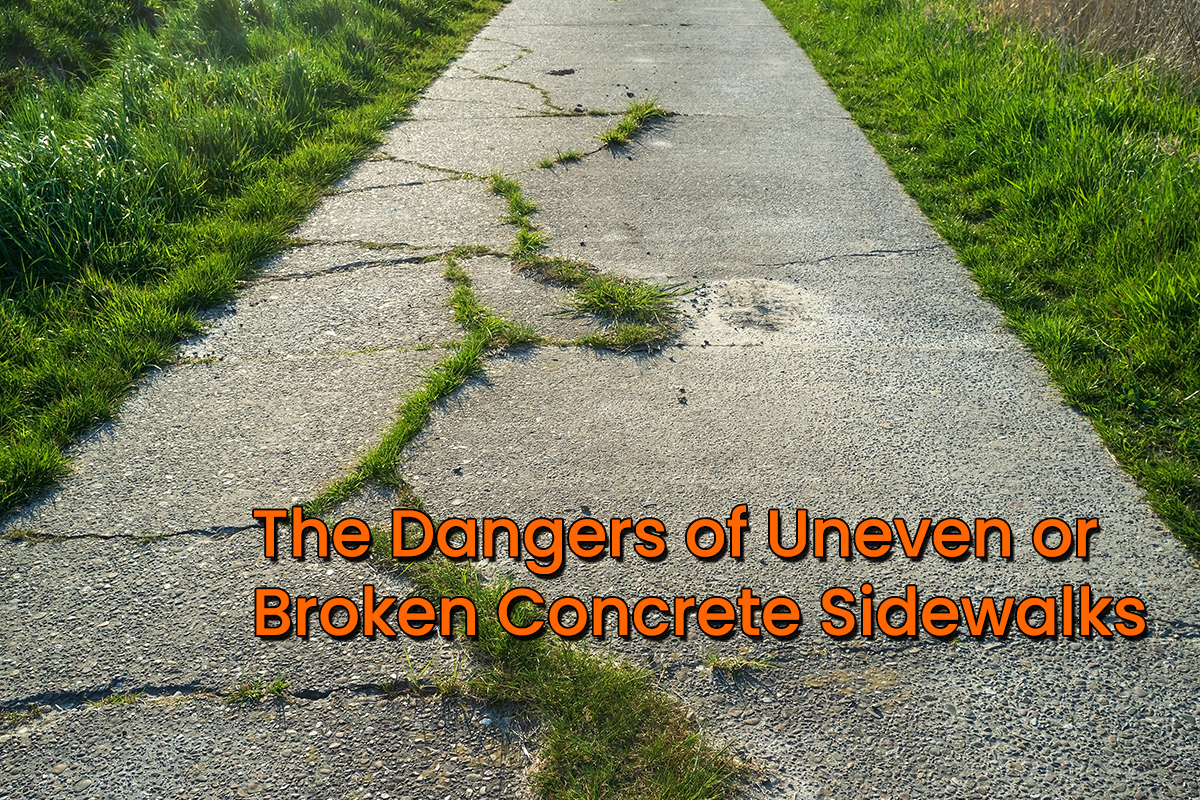
Cracked or uneven sidewalks can become particularly dangerous when covered by snow or ice. Replacing damaged walkways during fall can help improve accessibility and reduce existing tripping hazards before winter weather arrives. Proper grading and drainage are also important for minimizing standing water around walkways.
4. Concrete Steps and Stairs
Your home's entryway should remain safe and accessible throughout the year. Damaged steps can become especially troublesome when winter weather creates slippery conditions. Fall is an opportunity to address crumbling edges, uneven surfaces, and deteriorating concrete.
Discover how our concrete step and stair services can improve your home's entrance.
5. Decorative Concrete Projects
Want something more attractive than traditional gray concrete? Decorative finishes can transform patios, walkways, and other outdoor spaces. Options include stamped patterns, textured surfaces, and concrete coloring. Because decorative work can be sensitive to temperature and moisture conditions, scheduling and curing requirements deserve special attention during fall.
Explore our concrete stamping, coloring, and restoration services.
How Professional Concrete Contractors Prepare for Fall Installations
Choosing a contractor with experience working in Northwest Ohio's changing weather conditions is especially important during fall. Professional concrete installation involves several important steps.
Evaluating Weather Conditions
Contractors review upcoming temperatures, precipitation, and potential freezing conditions before scheduling a pour.
Preparing the Ground
Proper base preparation is essential for long-term performance. The ground must be stable, appropriately graded, and free from frozen material before concrete placement.
Selecting the Appropriate Concrete Mix
Depending on weather conditions, contractors may recommend concrete mixtures designed to support strength development in cooler temperatures.
Protecting Fresh Concrete
When necessary, contractors use protective coverings or other cold-weather curing procedures to help maintain appropriate temperatures.
Allowing Adequate Curing Time
Cooler temperatures can slow concrete strength development. A professional concrete service provider should explain when homeowners can safely walk, park, or place heavy objects on their new concrete.
Should You Wait Until Spring to Pour Concrete?
Not necessarily.
While spring is a popular season for concrete installation, waiting several months isn't always required. If fall weather remains favorable, completing your project now may be a practical choice. However, delaying installation may be appropriate when temperatures are consistently near freezing, the ground is frozen, or adequate cold-weather protection isn't feasible.
The right decision depends on your specific project, local weather conditions, and the contractor's ability to protect the concrete. A reliable concrete company will prioritize proper installation rather than rushing a project under unsuitable conditions.
Choose Fed Up Concrete for Your Fall Concrete Project
When you're ready to improve your home's outdoor surfaces, working with a dependable local contractor makes a difference. Fed Up Concrete provides residential and commercial concrete services throughout Toledo, Ohio, and surrounding communities.
Whether you're replacing a deteriorating driveway, installing a backyard patio, or improving your home's sidewalks and steps, our team focuses on quality preparation, dependable workmanship, and attractive results. Our concrete services include driveway replacement, patios, sidewalks, steps, garage floors, basement floors, decorative concrete, and restoration.
You can also browse our project gallery for inspiration or explore our service area to learn more about the communities we serve.
Ready to Complete Your Concrete Project Before Winter?
Don't let the changing seasons stop you from improving your property. Fall can provide an excellent opportunity to complete concrete improvements when weather and site conditions are suitable.
Contact Fed Up Concrete today for a free quote!
Call 567-702-1591 to discuss your project and find out whether fall installation is right for your home.
Frequently Asked Questions About Pouring Concrete in the Fall
Can you pour concrete in November in Ohio?
Yes. November can offer suitable conditions for concrete installation in Ohio. However, contractors must monitor daytime and nighttime temperatures, ground conditions, and upcoming weather forecasts to ensure proper curing.
Can concrete be poured when it's 40 degrees outside?
Yes, concrete can sometimes be poured at 40°F, but colder temperatures require additional planning. Contractors may need to adjust the concrete mixture, monitor temperatures, and provide protective curing measures.
How long does concrete take to cure in the fall?
Concrete commonly uses 28 days as a standard reference for specified strength development, although it continues gaining strength beyond that point. Cooler temperatures can slow the process. Your contractor should provide specific guidance about walking and driving on the surface.
Is fall better than summer for pouring concrete?
Fall can offer advantages because moderate temperatures reduce rapid surface moisture loss. However, both seasons can produce excellent results when concrete is properly installed and cured. Weather conditions matter more than the season alone.
Will rain damage freshly poured concrete?
Heavy rain can damage the surface of fresh concrete before it has sufficiently set. Contractors monitor forecasts and may use protective coverings or reschedule installation when significant rainfall is expected.
How do I find reliable concrete contractors near me?
Look for local contractors with relevant project experience, customer reviews, clear estimates, and knowledge of regional weather conditions. Fed Up Concrete provides residential and commercial concrete service throughout Toledo, Ohio, and surrounding areas.
Can I use my new concrete driveway before winter?
Yes, provided the concrete has developed sufficient strength and your contractor confirms it is ready for vehicle traffic. The required waiting period depends on the concrete mixture, curing temperatures, and installation conditions.
What concrete services can I schedule in the fall?
Many projects can be completed during fall, including driveway replacement, patios, sidewalks, walkways, steps, garage floors, and decorative concrete. Scheduling depends on the weather and the specific requirements of your project.
Final Thoughts: Fall Can Be a Great Time for Concrete Installation
So, can you pour concrete in the fall? Absolutely, as long as temperatures, ground conditions, and curing requirements are properly managed.
For homeowners in Toledo and Northwest Ohio, fall offers an opportunity to replace damaged concrete, improve outdoor spaces, and prepare properties for the colder months ahead.
Working with an experienced concrete company helps ensure your project receives the preparation, installation, and protection it needs.
If you're ready to upgrade your driveway, patio, sidewalk, or steps, contact Fed Up Concrete and get started with a free quote.